
Identify failure patterns before they cause downtime
Analyze service history, product telemetry, and failure patterns to identify risks early and prevent unplanned downtime before your customers are affected.











Reacting is expensive, preventable failures are worse
Median annual cost of unplanned service visits
The cost of a PM visit vs. an emergency reactive dispatch
Of service visits are repeat dispatches for the same underlying issue
From reactive firefighting to failure prevention
Fix it before it breaks, on a visit you were already making
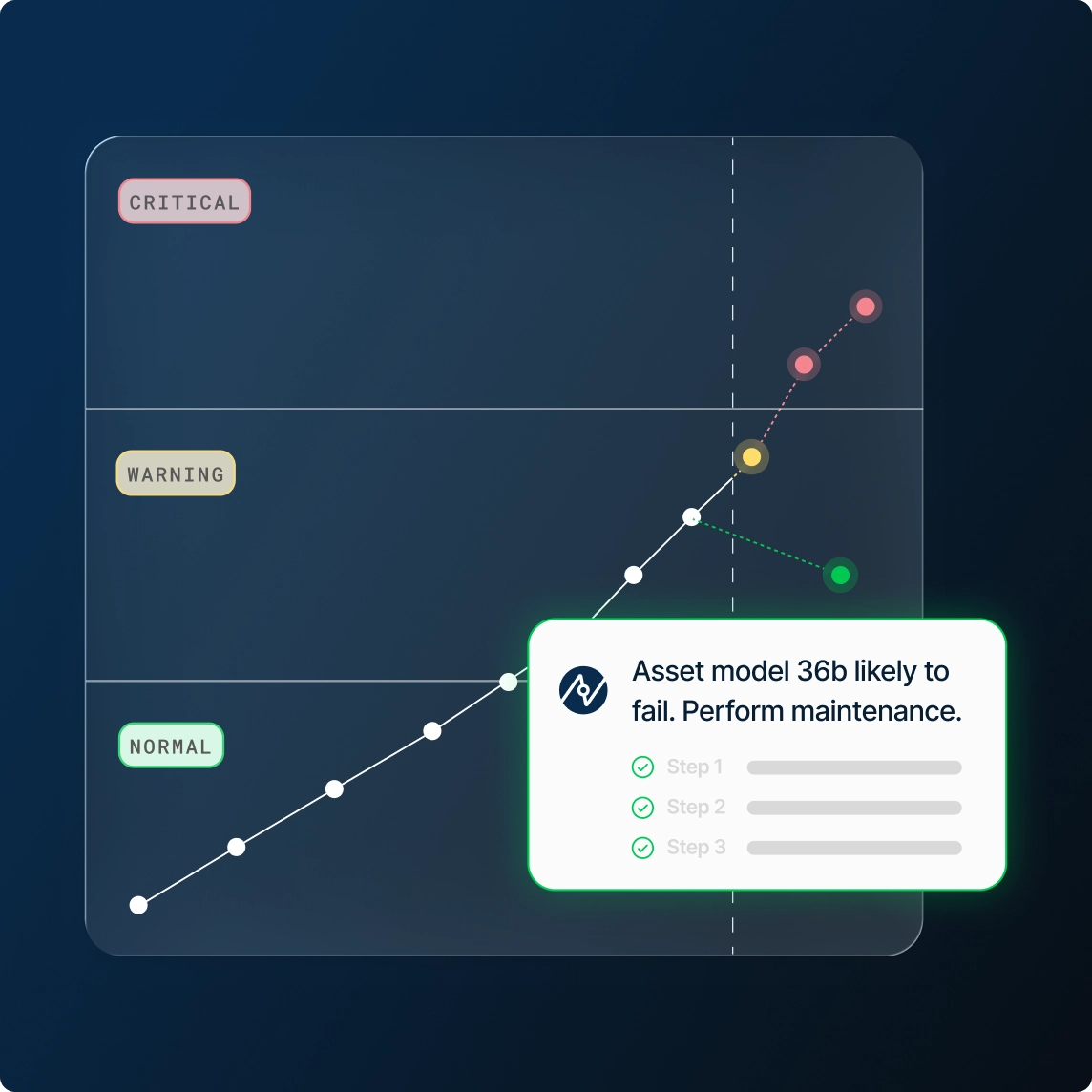
Neuron7 identifies which assets are about to fail and ties the prediction to your next scheduled visit. Field teams perform the PM before it becomes an issue.
Prevent the second dispatch before it gets scheduled
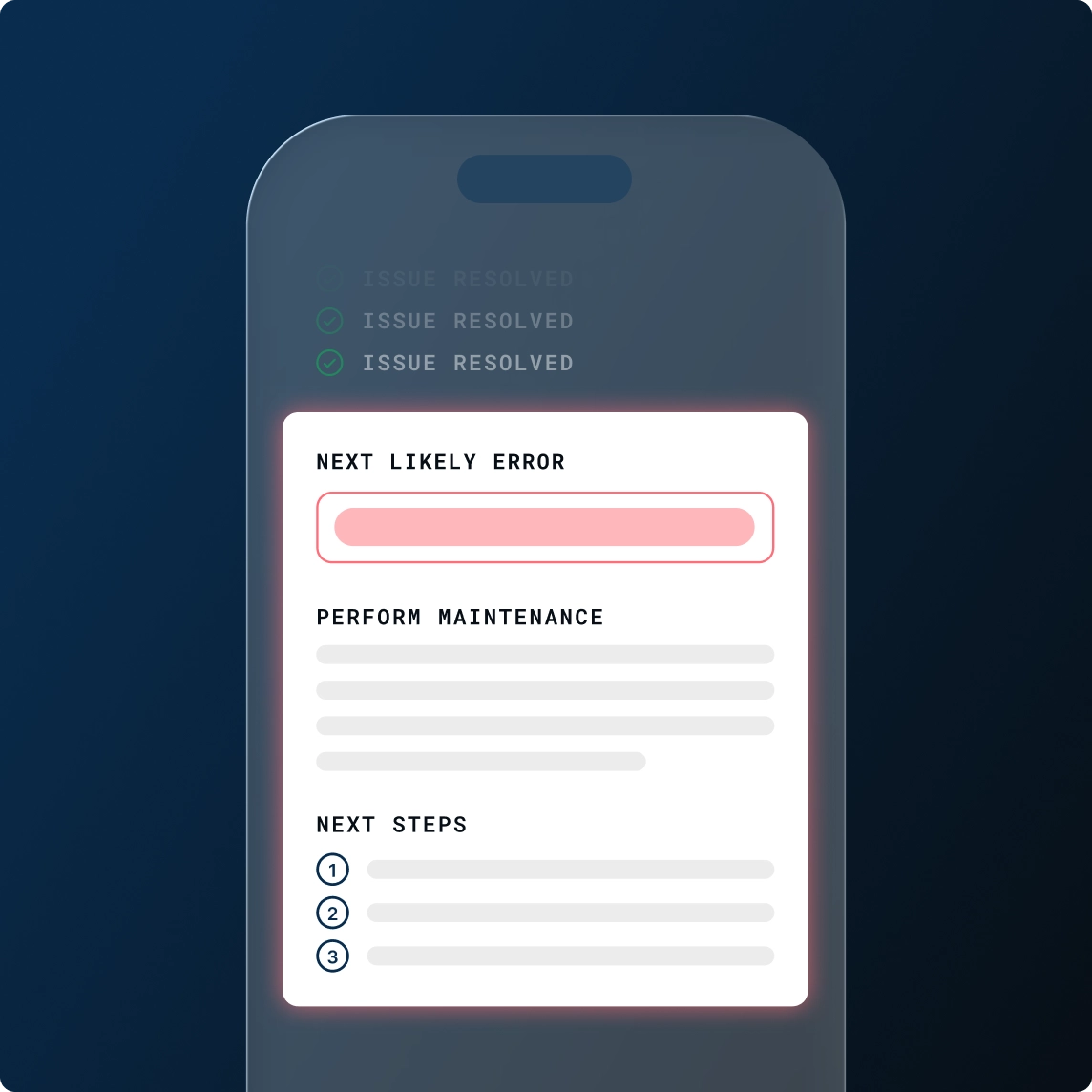
When a technician closes one issue, Neuron7 surfaces the next likely failure, with resolution steps to address it before leaving.


Field knowledge delivered to engineering, automatically
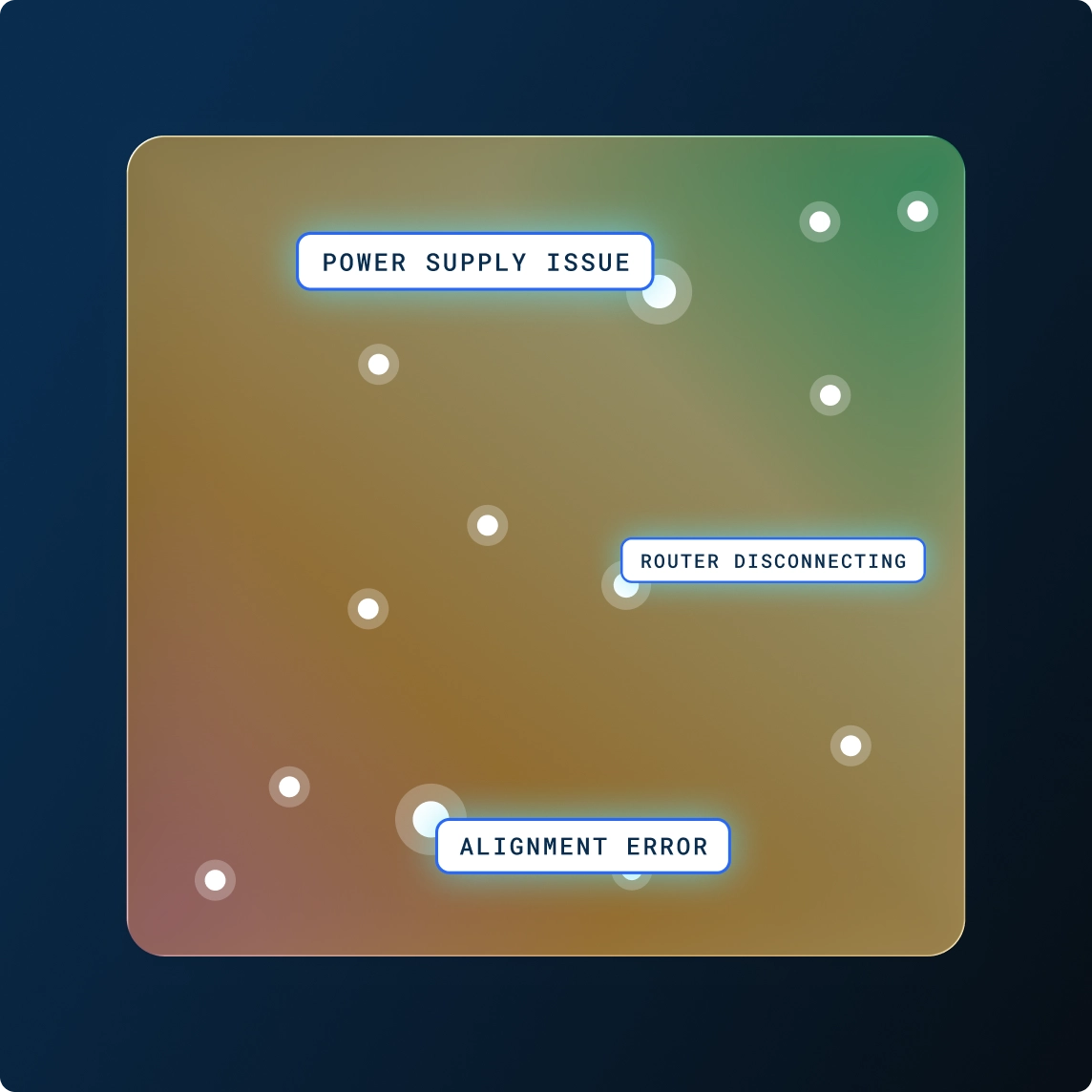
When the same failure appears across related assets, Neuron7 identifies the pattern and routes it to engineering immediately.
Why Neuron7
The only AI agent that transforms your service operations
Knows your operations
Keeps getting smarter
Pre-empts failures

"The Neuron7 product levels the playing field for newly onboarded technicians so they can be just as successful as a 10-year."

"Neuron7 helped identify realistic targets backed by real data, giving us the confidence to expand on the value we saw with Neuron7 integrated in our existing service platforms."


"The reaction has been wonderful. By integrating the solutions into our service delivery platforms, we get better customer service, more efficiency, and happier employees."

Explore other use cases

Resolve issues faster

Ensure AI success

Deploy autonomous agents
Frequently asked questions
What data does Neuron7 need to get started with predictive maintenance?
To get started with non-connected prediction, Neuron7 needs historical service request data from your existing CRM or FSM platform. For connected device prediction, it needs raw device logs, fault codes, and system telemetry. Neuron7 scopes the exact requirements during onboarding, with no data migration or IT project required.
How long before Neuron7 delivers predictive maintenance results?
First predictions are available within days of onboarding, as soon as Neuron7 has access to historical service request data. Most customers see measurable reduction in emergency dispatches and repeat visits within 30 to 60 days.
Why aren't IoT alerts enough for predictive maintenance?
IoT alerts alone are not enough for predictive maintenance because they identify that something is wrong without identifying the root cause, the resolution, or what to do about it. Neuron7 goes beyond IoT alerts by isolating the signal, identifying the failure mode, and delivering resolution steps in the technician's existing workflow. The alert and the fix arrive together.
Can Neuron7 predict failures on non-connected or unconnected assets?
Yes. Neuron7 predicts failures on non-connected assets using a model that analyzes service request history, device metadata, placement, and environmental data across the full installed base. No sensors or IoT retrofit is required.
Is Neuron7 better than scheduled preventive maintenance?
Yes. Neuron7 improves on scheduled preventive maintenance by generating asset-specific recommendations based on actual failure patterns, usage, and operating conditions, rather than treating every asset the same. The result is fewer unnecessary visits on assets that do not need attention and better uptime on the ones that do.
Your next outage is predictable
.png)